Vegetation Management – Hydrants

Ensure fire safety in your strata building by maintaining vegetation clearances & visibility around hydrant boosters and valves. Learn about essential standards, real-life examples, and tips for keeping hydrants accessible and vegetation managed. Prioritize safety with expert advice from Civil Fire.
Fire Dampers

Fire dampers are an essential safety measure that helps to prevent the spread of fire and smoke in buildings. Dampers belong to the ‘passive fire protection’ family.
Ionisation Vs Photoelectric Smoke Alarms

There are two main types of smoke alarms available on the market: ionisation smoke alarms and photoelectric smoke alarms. While both types of smoke alarms can detect smoke and save lives, they operate differently, and there are advantages to using one type over the other in specific settings.
Hydrostatic Testing of Fire Hydrants

Hydrostatic testing is a process of testing the integrity and strength of a pressurized system, such as a fire hydrant system, to ensure that it can withstand the required pressure and flow.
10yo smoke alarms in NSW

Civil Fire have recently updated our policy to defect smoke alarms when they are over 10 years old. Previously, this was a recommendation item only.
The reason for this change is the legislation of the Australian Standard for the Maintenance of Fire Protection – AS1851. This standard was legislated in NSW on 16/12/22, and all buildings must be maintained in accordance with this standard by 13th February 2025.
Security screens on fire doors
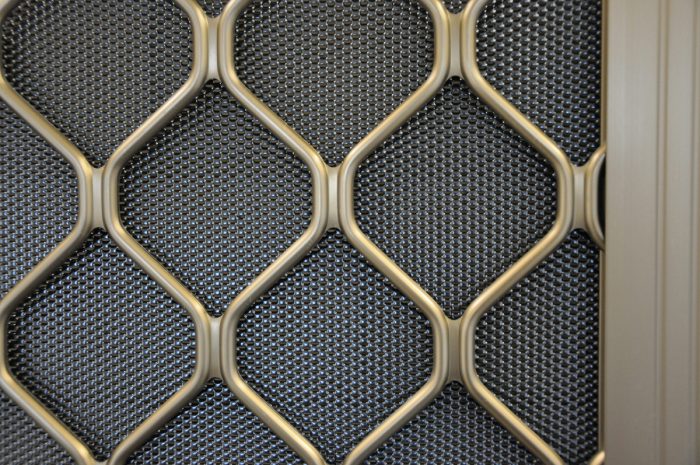
Firstly and importantly – Fire and Rescue New South Wales advise against the fitting of security screens to fire doors, although it really is a BCA compliance issue.
There are several issues with security screens…
Electronic Locks / Smart Locks on fire doors

Technology is seeping into every aspect of our lives. But are you allowed to install an electronic/smart lock on your fire door?
Fire Rated Ceilings: A resident’s guide

Can I install downlights, ducted air conditioning, ceiling exhaust fans or manholes in my unit ceiling?
Well yes… but you need to be very careful if your ceiling designed to have a “resistance to the incipient spread of fire to the roof space for a period of not less than 60 minutes”.
Fire rated ceilings are an fire safety measure, designed to slow the spread of fire from one part of the building to another.
AFSS Endorsement – Timeframes & 3rd Party Repairs

Can an AFSS be issued when repairs are approved but not yet completed?
Can owners engage anyone to do repairs?
Passive Fire Protection
Passive Fire measures are designed to stop (or slow) the spread of fire from one part of the building to another. Most buildings have Passive Fire protection measures – even if they are not specifically listed on the AFSS.
